

August 4, 2025
1 year ago
3K Comments
Why Graphic Designing Is Important to Learn in Today’s Digital World
Why learning graphic design is important
In today’s fast-moving digital landscape, visuals have become the backbone of how we communicate, promote ideas, and consume information. The internet is flooded with endless content, and attention spans are shorter than ever, which means standing out visually is no longer optional—it’s essential. Whether you’re scrolling through social media, shopping online, or reading an article, the first thing that captures your attention is design. This is exactly where graphic design steps in as a powerful tool.
From social media to business branding, graphic design plays a central role in shaping messages, attracting attention, and building trust. It’s no longer just an artistic hobby—it’s a skill that drives careers, fuels businesses, and empowers individuals.
Graphic design is more than just arranging colors, fonts, and shapes. It is the language of visual storytelling—the art of turning complex messages into simple, impactful designs that people can instantly understand and connect with. Businesses, influencers, and individuals all rely on strong visuals to represent who they are and what they stand for. In fact, good design builds trust, attracts the right audience, and helps brands differentiate themselves in an increasingly competitive marketplace.
For businesses, graphic design is no longer a nice extra; it is the foundation of branding and marketing strategies. A thoughtfully designed logo, a consistent color palette, or a creative social media post can make the difference between being remembered or forgotten. In advertising, visuals speak louder than words, making it possible to reach audiences across cultures, languages, and demographics without barriers. From startups looking to establish credibility to large corporations maintaining their reputation, design is at the core of their growth.
This article explains why learning graphic design is essential, how it impacts industries, and why it’s a future-proof skill in the digital economy.
1. Graphic Design: The Language of Visual Communication
Humans are highly visual learners—research shows we process images far faster than text. A single well-designed image, infographic, or logo can deliver a message more effectively than paragraphs of writing.
Learning graphic design gives you the ability to:
Communicate complex ideas in simple visual formats
Create designs that capture attention instantly
Express creativity through colors, shapes, typography, and layouts
In today’s crowded digital landscape, graphic design ensures your message cuts through the noise and reaches your audience.
2. A Key Skill in the Digital Economy
Every business, entrepreneur, and organization now depends on visual content for growth. From websites to mobile apps, social media campaigns, and advertisements, graphic design drives engagement.
Opportunities in graphic design include:
Branding and identity creation
Marketing and advertising design
Website and mobile app UI/UX design
Social media content creation
Freelancing and remote creative jobs
The demand for skilled designers is only increasing as digital platforms expand.
"With the right Google Ads strategy, your business can reach new heights, attract audiences, & drive growth."
3. Enhances Creativity and Problem-Solving Skills
Graphic design is more than making things “look good.” It involves solving problems visually. Designers analyze the target audience, brand goals, and the best way to deliver a message effectively.
Through graphic design, you learn:
Critical thinking and creative problem-solving
Balancing aesthetics with usability
Designing content that is both attractive and functional
These skills extend beyond design—they strengthen your overall decision-making and creativity.
4. Strengthens Personal Branding and Freelance Opportunities
In today’s creator-driven economy, personal branding is everything. Graphic design empowers individuals to:
Create professional logos and visual identities
Design engaging social media graphics
Build and make personal portfolios and websites
Stand out in a competitive market
Freelancers can leverage platforms like Fiverr, Upwork, and Behance to reach clients globally. With the right design skills, you can build a career that offers both income and creative freedom.

5. Boosts Marketing and Business Success
For businesses, first impressions matter—and visuals create them. Professional designs can improve credibility, customer trust, and engagement.
Examples of how design impacts business success:
Eye-catching social media ads that increase conversions
Well-designed websites that improve user experience
Consistent brand identity that builds recognition
if you have a Good design it’s a long-term marketing success.
6. A Tool for Storytelling and Emotional Connection
Every brand or campaign tells a story. Graphic design transforms a story into powerful visuals that truly resonate with an audience.
Infographics simplify complex information
Posters and advertisements inspire action
Packaging design enhances product value
Visual campaigns create emotional bonds with audiences
Storytelling through design helps brands and individuals build lasting connections.
7. A Future-Proof Skill in the Age of AI
With the rise of automation and artificial intelligence, many traditional jobs are changing. However, creativity remains uniquely human.
AI-powered tools like Canva and Adobe Firefly assist designers, but they cannot replace original creativity and vision. By learning the principles of color theory, layout, branding, and typography, you build a skill set that will stay valuable regardless of automation trends.
8. Accessible to Everyone—No Degree Needed
Unlike careers that require years of formal education, graphic design is highly accessible. Beginners can start with free tools like Canva, Figma, GIMP, and Gravit Designer. Countless online platforms (YouTube, Skillshare, Coursera, Udemy) offer affordable or even free tutorials.
With practice and dedication, even self-taught designers can build portfolios that land high-paying projects.
9. Connects You to a Global Creative Community
Graphic design is not just a skill—it’s a culture. Platforms like Behance, Dribbble, Pinterest, and Instagram allow designers worldwide to share, inspire, and collaborate.
Becoming part of this creative network provides:
Access to new ideas and trends
Opportunities for collaborations and contests
Feedback and growth through peer interaction
Being part of a design community keeps your creativity alive and constantly evolving.

Conclusion: Learn Graphic Design and Empower Your Future
In conclusion, graphic design is a powerful, versatile skill that holds immense value in today’s visual and digital world. It allows you to express your ideas, boost your career, enhance your marketing, and even build your own brand or business. Whether you’re a student, professional, or entrepreneur, learning graphic design equips you with a toolset for communication, creativity, and success.
It’s not just about making things look good—it’s about making them work beautifully and meaningfully. With so many free tools, tutorials, and platforms available today, there’s no better time to start your journey into the world of graphic design.
Graphic design is more than a career skill—it’s a gateway to creativity, communication, and digital success. Whether you’re a student, entrepreneur, or professional, learning graphic design helps you build a strong personal brand, unlock freelance opportunities, and boost business growth.
It is a future-proof skill that empowers individuals to tell stories, solve problems, and thrive in the digital age. With accessible tools and resources available today, there has never been a better time to start learning graphic design.
Latest Blogs
August 20, 2025
Canva vs Photoshop: Which is Better for Beginners in 2025?
August 5, 2025
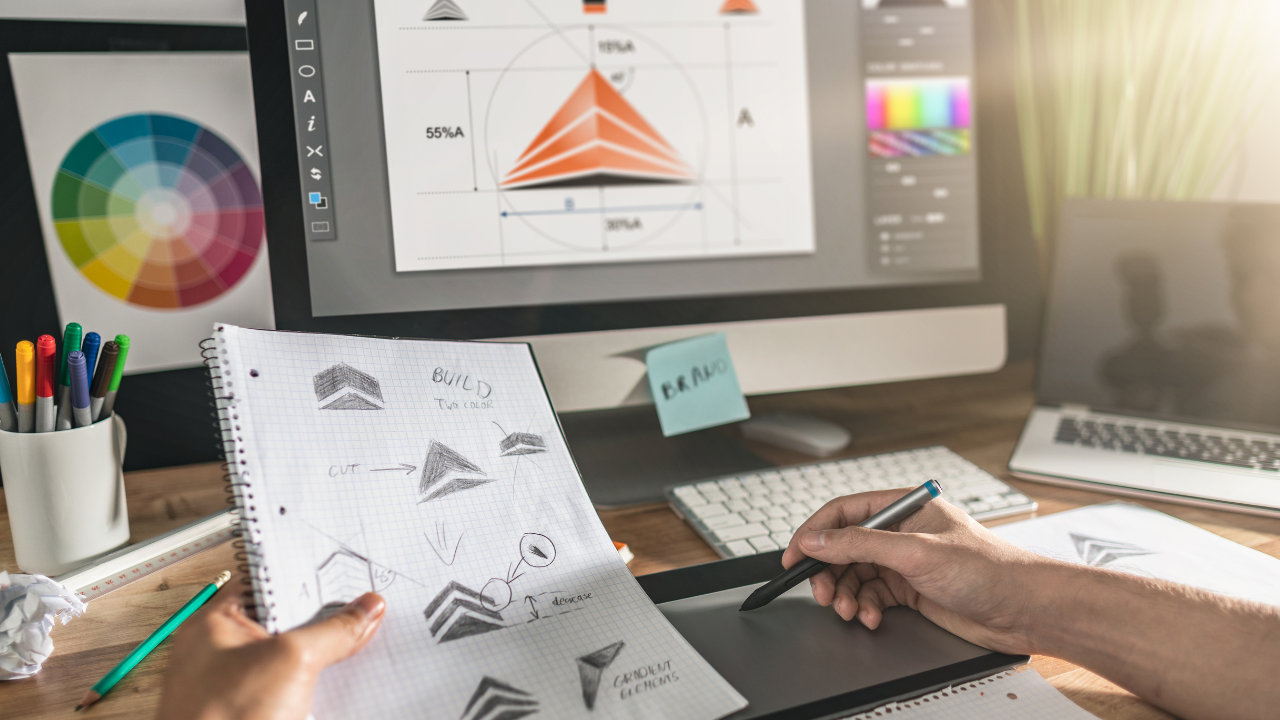
Latest Graphic Design Trends You Must Know in 2025
FAQ
Get Your Answers Here
1. Why is graphic design important in today’s digital world?
Graphic design is important because it helps communicate messages visually, making information easier to understand and more engaging. In a digital world filled with content, strong visuals help brands and individuals stand out.
2. How does graphic design impact businesses?
Graphic design impacts businesses by creating brand identity, improving marketing efforts, and attracting customers through engaging visuals. From logos and websites to social media campaigns, design plays a key role in building trust and increasing sales.
3. Is graphic design a good career choice?
Yes, graphic design is a great career choice. The demand for skilled designers is growing across industries like marketing, advertising, branding, and web development. Freelancers also have global opportunities on platforms like Fiverr, Upwork, and Freelancer.
4. What skills can I gain from learning graphic design?
By learning graphic design, you gain skills in visual communication, creative problem-solving, branding, UI/UX design, and digital content creation. These skills are valuable for both professional growth and personal projects.
5. Do I need a degree to become a graphic designer?
No, you don’t necessarily need a degree. Many successful designers are self-taught using online courses, tutorials, and practice. What matters most is building a strong portfolio that showcases your creativity and skills.
6. Can graphic design help with personal branding?
Absolutely. With graphic design skills, you can create your own logo, design professional social media content, and build a unique personal brand that sets you apart from others.
7. What are the career opportunities in graphic design?
Career opportunities include roles such as brand designer, marketing designer, UI/UX designer, web designer, and freelance digital creator. Designers can also sell digital products like templates, eBooks, and merch online.
1 comment
Leave a Reply Cancel reply
nice